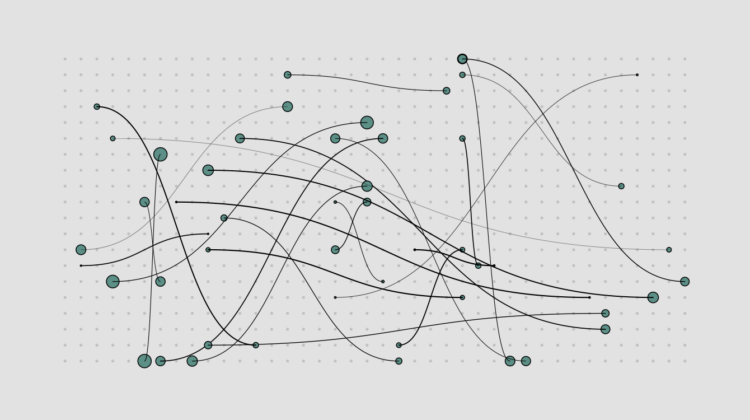
Here’s the good stuff for January.
Here’s the good stuff for January.
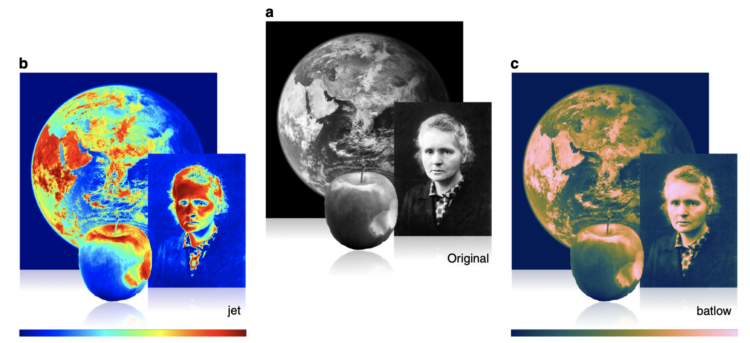
Fabio Crameri, Grace Shephard, and Philip Heron in Nature discuss the drawbacks of using the rainbow color scheme to visualize data and more readable alternatives:
The accurate representation of data is essential in science communication. However, colour maps that visually distort data through uneven colour gradients or are unreadable to those with colour-vision deficiency remain prevalent in science. These include, but are not limited to, rainbow-like and red–green colour maps. Here, we present a simple guide for the scientific use of colour. We show how scientifically derived colour maps report true data variations, reduce complexity, and are accessible for people with colour-vision deficiencies. We highlight ways for the scientific community to identify and prevent the misuse of colour in science, and call for a proactive step away from colour misuse among the community, publishers, and the press.
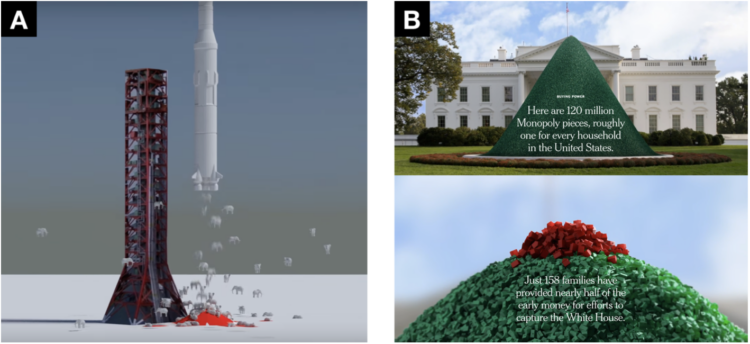
Using the third dimension in visualization can be tricky because of rendering, perception, and presentation. Matthew Conlen, Jeffrey Heer, Hillary Mushkin, and Scott Davidoff provide a strong use case in their paper on what they call cinematic visualization:
The many genres of narrative visualization (e.g. data comics, data videos) each offer a unique set of affordances and constraints. To better understand a genre that we call cinematic visualizations—3D visualizations that make highly deliberate use of a camera to convey a narrative—we gathered 50 examples and analyzed their traditional cinematic aspects to identify the benefits and limitations of the form. While the cinematic visualization approach can violate traditional rules of visualization, we find that through careful control of the camera, cinematic visualizations enable immersion in data-driven, anthropocentric environments, and can naturally incorporate in- situ narrators, concrete scales, and visual analogies.
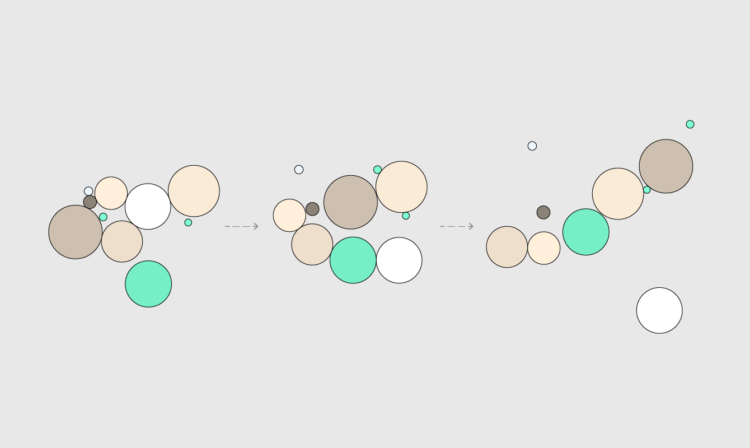
Pack circles, figure out the transitions between time segments, and then generate frames to string together.
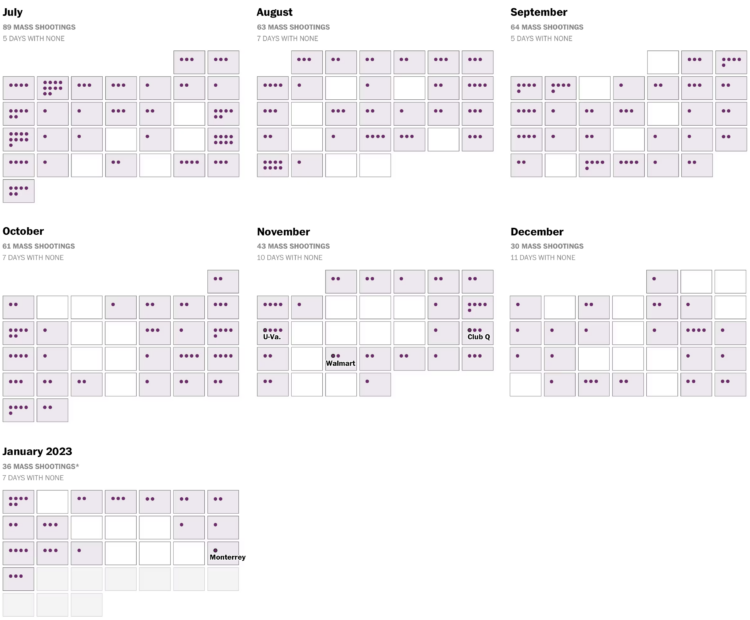
A shooting in Monterey Park, California on Lunar New Year’s eve left 11 people dead. It was the 33rd mass shooting in the United States — for the month. For The Washington Post, Júlia Ledur and Kate Rabinowitz show the regularity of such events over the past year.
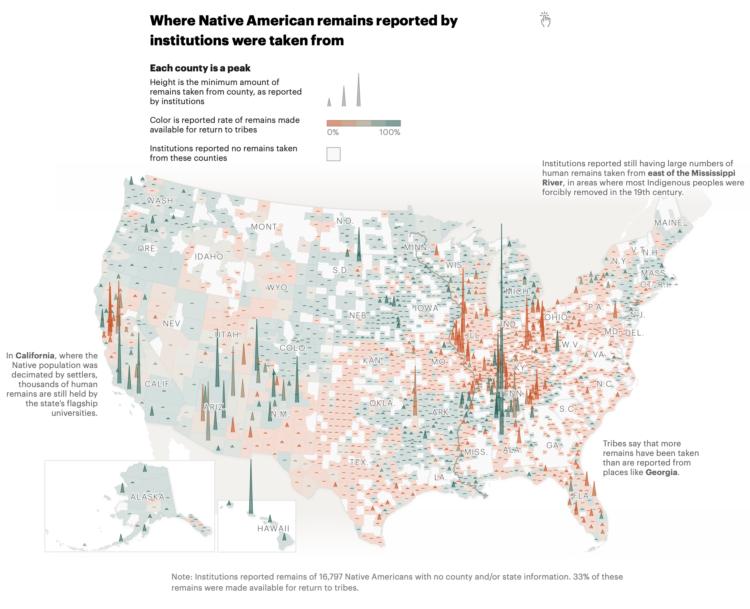
A law was passed in 1990 that allowed Native American tribes to request remains unrightfully attained by museums and universities. Many of those remains have not been returned because of a loophole. For ProPublica, Ash Ngu and Andrea Suozzo mapped and cataloged who still has these remains.
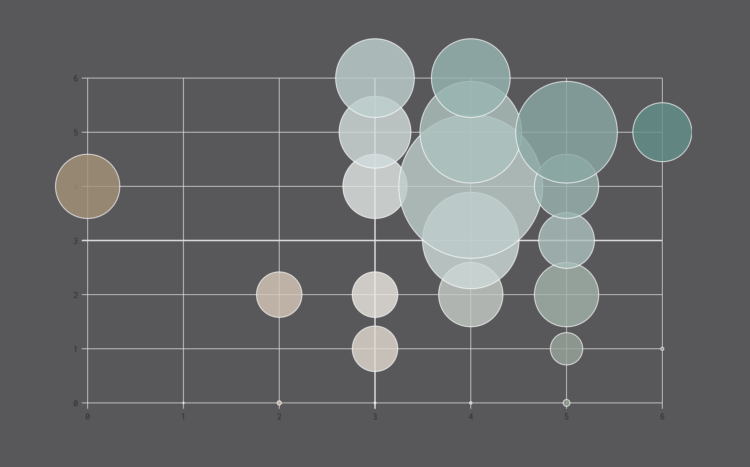
One might think that where we find meaning in our lives, we also find happiness. This is the case a lot of the time, but meaning and happiness do not always go together. Sometimes we need to pursue meaning without the happiness.

In celebration of Chinese New Year, Julia Janicki, Daisy Chung, and Joyce Chou rotate through the traditional foods served with an illustrated Lazy Susan.
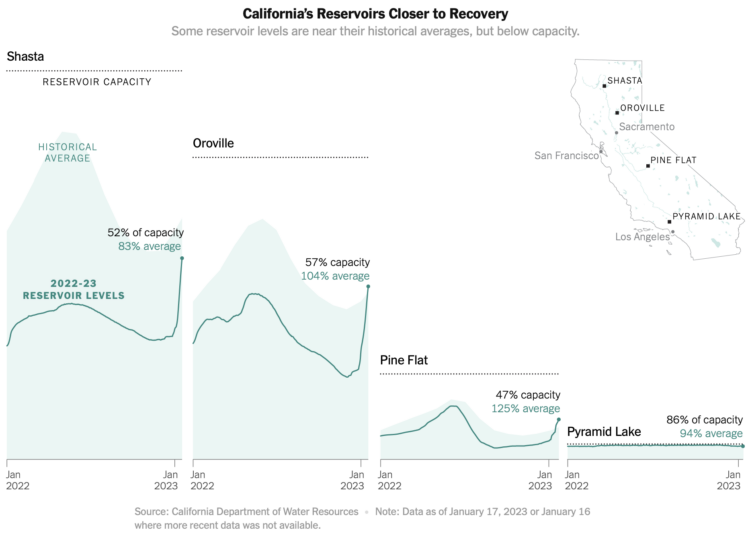
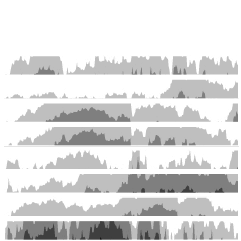
There’s been a lot of rain in California, which has been good to relieve some of the pressures from drought, at least in the short-term. For The New York Times, Elena Shao, Mira Rojanasakul, and Nadja Popovich show the sudden bump in water supply.
The areas to show historical averages in the background was a good choice. Very reservoir-ish.
AI training data comes from the internet, and as we know but maybe forget sometimes, there are harmful areas that are terrible for people. For Time, Billy Perrigo reports on how OpenAI outsourced a firm to label such data, which required people to read disturbing text:
To build that safety system, OpenAI took a leaf out of the playbook of social media companies like Facebook, who had already shown it was possible to build AIs that could detect toxic language like hate speech to help remove it from their platforms. The premise was simple: feed an AI with labeled examples of violence, hate speech, and sexual abuse, and that tool could learn to detect those forms of toxicity in the wild. That detector would be built into ChatGPT to check whether it was echoing the toxicity of its training data, and filter it out before it ever reached the user. It could also help scrub toxic text from the training datasets of future AI models.
To get those labels, OpenAI sent tens of thousands of snippets of text to an outsourcing firm in Kenya, beginning in November 2021. Much of that text appeared to have been pulled from the darkest recesses of the internet.
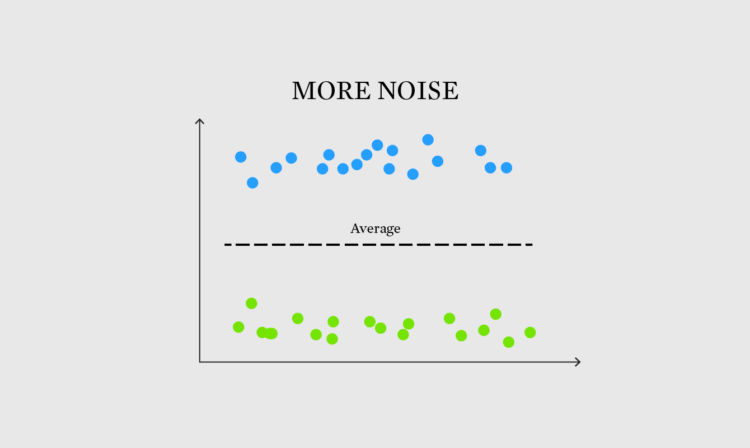
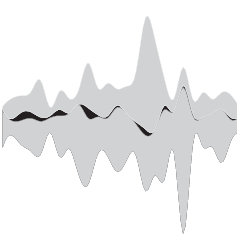
Sometimes the noise, something we often try to minimize in data, makes for a better signal.
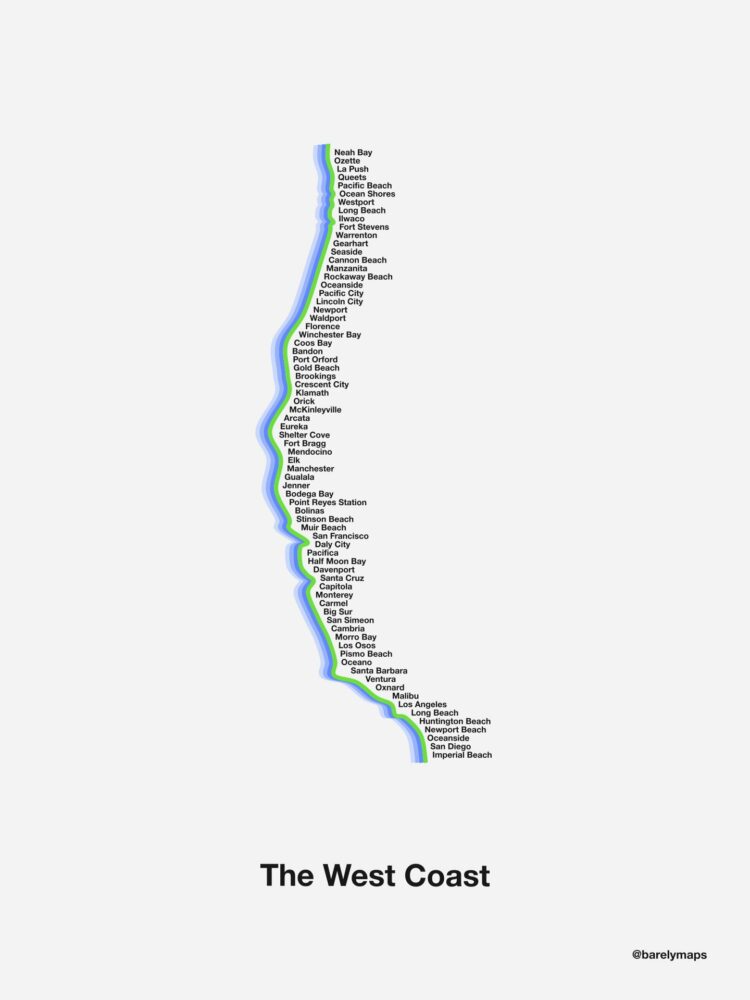
Barely Maps is an ongoing project by Peter Gorman that shows geographic data as barely a map. Gorman strips away almost all context to the edge before being too abstract to comprehend.
The above is for the western coast of the United States. There are many more of the same flavor available in print.

ScrollyVideo.js is a JavaScript library that makes it easier to incorporate videos in a scrollytelling layout. The examples look really straightforward, which means I’m saving this for later.
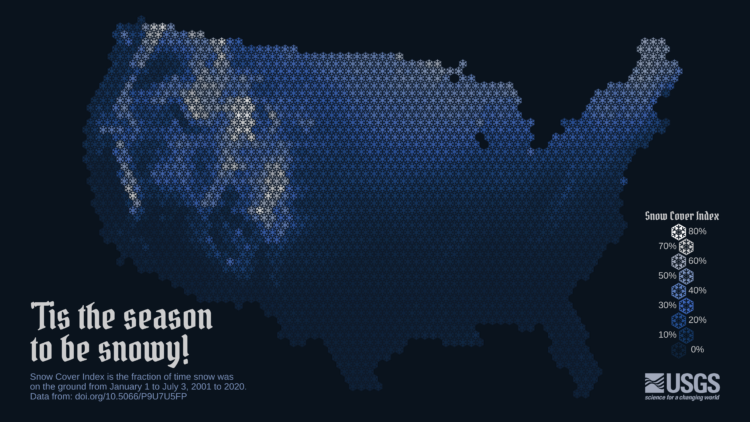
To show snow cover across the United States, Althea Archer for the USGS used hexbins, but instead of hexbins, she used snowflakes. Archer provided her R code and outlined her process in a blog post, which is something I’m not used to seeing from a government agency. I like it.
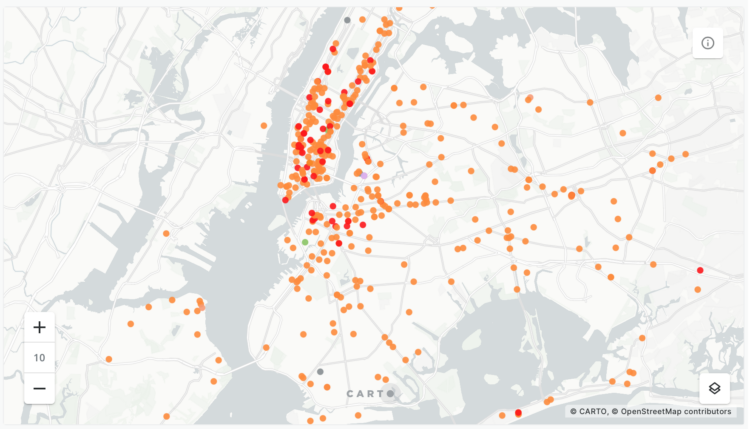
For eight years, Liam Quigley tracked every slice of pizza he ate in New York City, which added up to 454 slices. Quigley did not rate the slices to “avoid controversy and bribes”, but I kind of wish he rated all those slices. Instead he logged the location, the price, and the type of pizza.
Also I want pizza now.
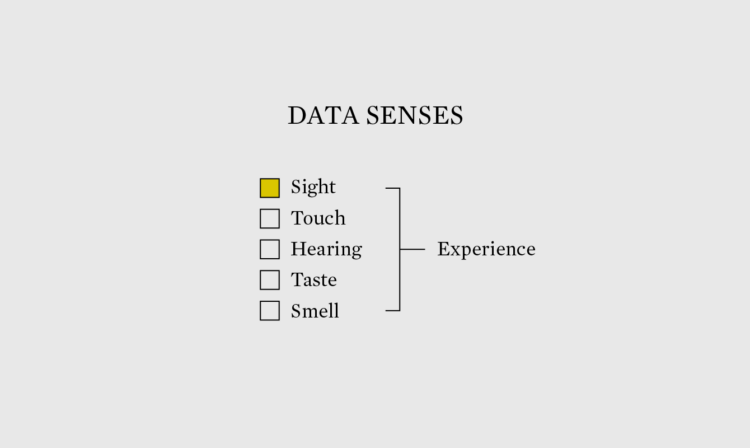
We’ve seen data in many forms, but we should dig deeper into using our other senses.
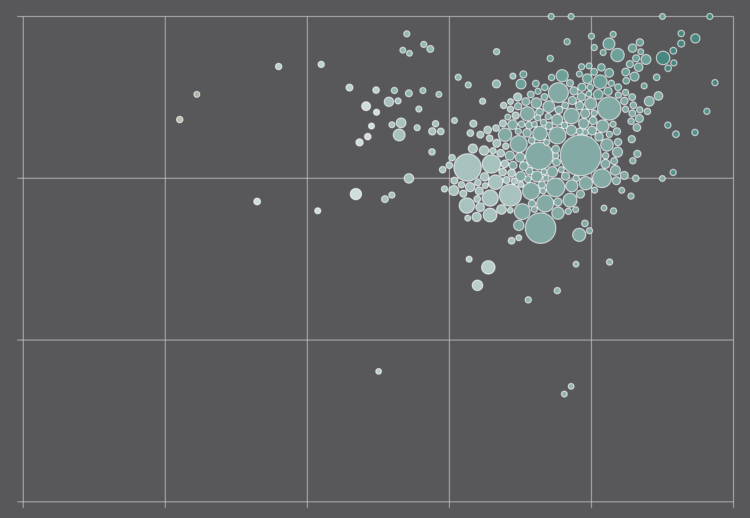
We looked at what makes people happy. We looked at activities that people rate as meaningful. Now let’s put them together and see what people rate as both meaningful and joy-inducing.
Mapping the entire planet is not exactly a straightforward thing to do, especially during a time when there weren’t any flying objects to take photographs from above. Jeremy Shuback rewinds all the way back to this time and asks how the first world map came to be.
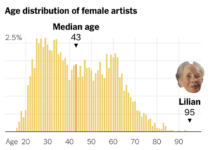 Tom Brady, the quarterback for the Tampa Bay Buccaneers, is 45 years old, which makes him the oldest player in the National Football League. Francesca Paris, for NYT’s The Upshot, places Brady’s age under the perspective of other occupations. For example, Lilian Thomas Burwell, who is an artist at 95 years old, is well in the upper percentile for those in her field (and the general population).
See also: the distributions of age and occupation.
Lensa is an app that lets you retouch photos, and it recently added a feature that uses Stable Diffusion to generate AI-assisted portraits. While fun for some, the feature reveals biases in the underlying dataset. Melissa Heikkilä, for MIT Technology Review, describes problematic biases towards sexualized images for some groups:
Lensa generates its avatars using Stable Diffusion, an open-source AI model that generates images based on text prompts. Stable Diffusion is built using LAION-5B, a massive open-source data set that has been compiled by scraping images off the internet.
And because the internet is overflowing with images of naked or barely dressed women, and pictures reflecting sexist, racist stereotypes, the data set is also skewed toward these kinds of images.
This leads to AI models that sexualize women regardless of whether they want to be depicted that way, Caliskan says—especially women with identities that have been historically disadvantaged.
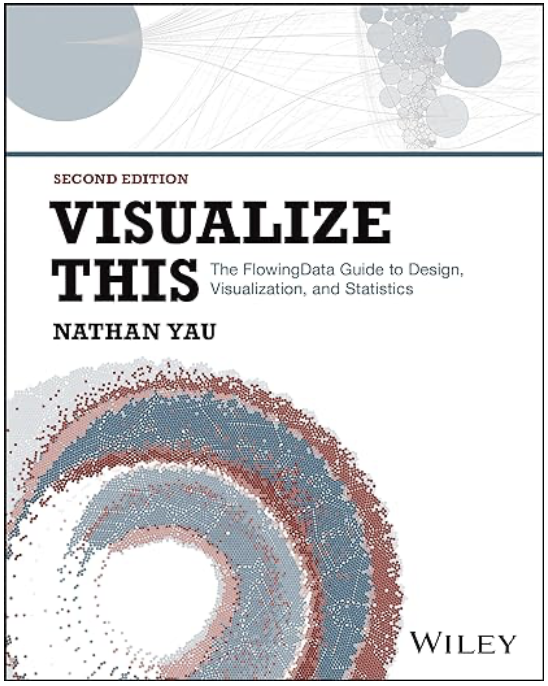 Visualize This: The FlowingData Guide to Design, Visualization, and Statistics (2nd Edition)
New tools, refined process.