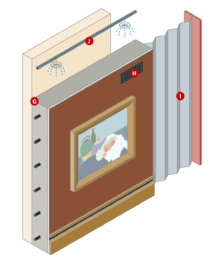
 Fire spread over Los Angeles, but the famous art works in the Getty Center stayed put. John Schwartz and Guilbert Gates reporting for The New York Times:
The Getty’s architect, Richard Meier, built fire resistance into the billion-dollar complex, said Ron Hartwig, vice president of communications for the J. Paul Getty Trust. These hills are fire prone, but because of features like the 1.2 million square feet of thick travertine stone covering the outside walls, the crushed rock on the roofs and even the plants chosen for the brush-cleared grounds, “The safest place for the artwork to be is right here in the Getty Center,” he said.
It’s a short visual piece, but I found the forethought in building design and the straightforward graphics fascinating.


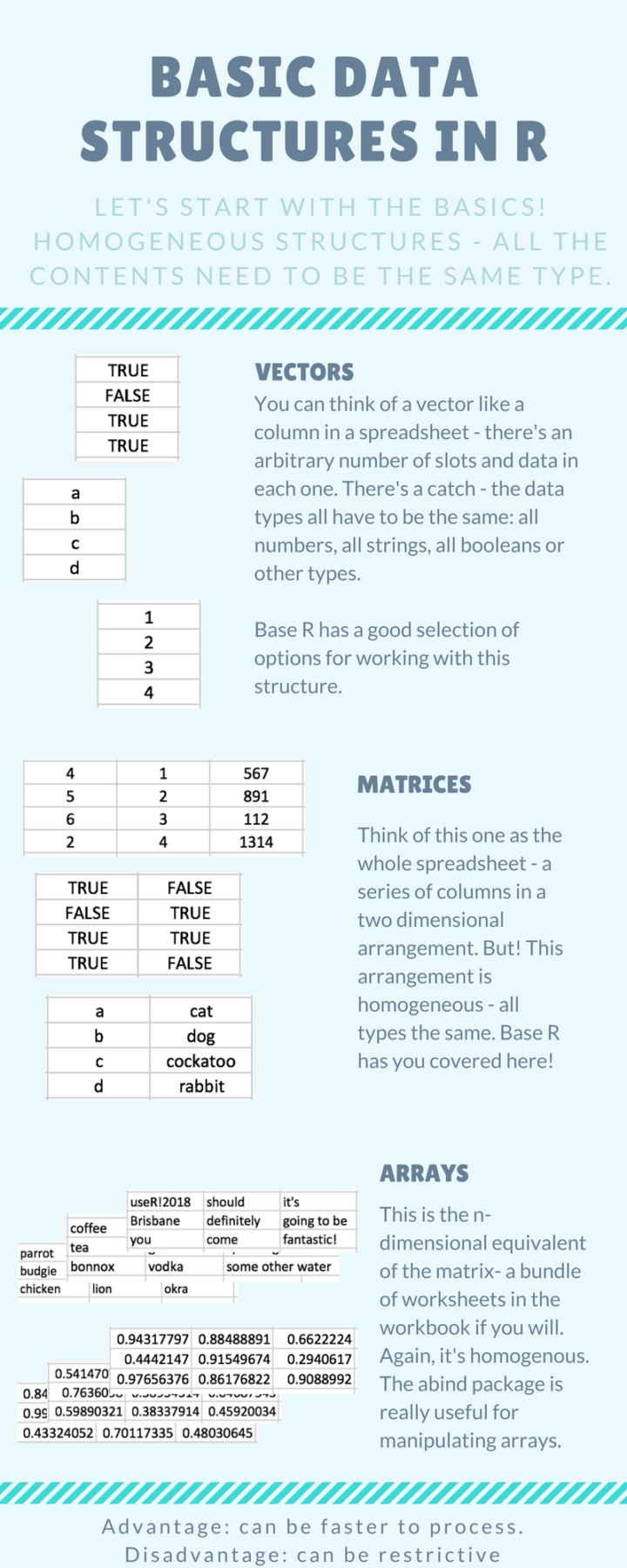 Introducing yourself to R as an Excel user can be tricky, especially when you don’t have much programming experience. It requires that you switch from one mental model of the data that exists in an interactive spreadsheet to one that exists in vectors and lists. Steph de Silva provides a
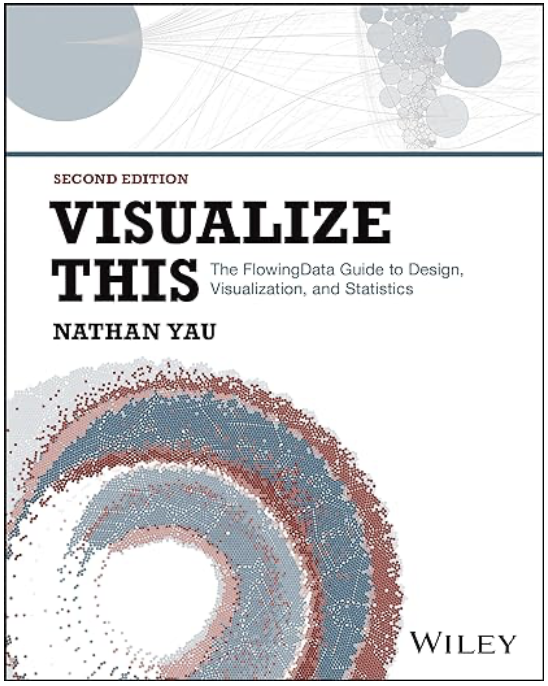 Visualize This: The FlowingData Guide to Design, Visualization, and Statistics (2nd Edition)