Who we choose to spend our days with
People seem more alone and isolated these days. Some of that is by choice (hello, fellow introverts) and some of that is from the time we are in. Given the season, and as I get older, I wondered about the time we spend with others and who we spend our limited hours with.
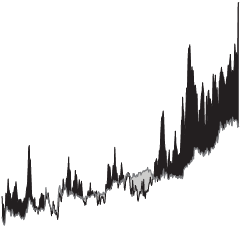
The chart below shows the percentage of people spending time with others during an average day in the United States.
How often we are with others
The following are percentages among those who were awake.
This is based on data from the American Time Use Survey (ATUS) during 2022 through 2024. The survey asks respondents to document their time during a 24-hour period. During their waking hours, people are also asked who they are with.
Note the peak on the chart above. Just under 60% of adults are spending time with at least one other person around 6:00pm and 7:00pm, or dinner time. Makes sense.
Who that one other person (or more) changes across demographic groups, and the schedules changes by day of the week.
Who we spend our days with
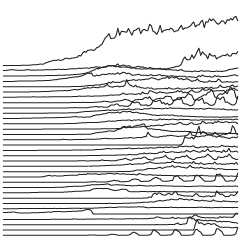
See how the distributions change by sex, age, and time of week, among those who were awake.
A change from the youngest age group to older age groups shows the clearest shifts. In our younger years, we spend more time with our parents and siblings. We see our friends more often. That share of time moves towards work, a partner, a spouse, and eventually children of our own.
Our days are very much tied to our years.
Less time with others as we get older
Select the time of week.
With age, we see others less. First, kids move out of the household. Second, we retire.
Then later (hopefully much), a spouse or partner passes away. This is most obvious in the oldest age group of 75 and up. For most of our years, women tend to spend more or about the same time with others. However, the rates are flipped later in life, because women tend to outlive men. The men who live longer are more likely to still have their partners around.
I suppose the main takeaway is to value this time with others. It’s going to shift.
Notes
The data is based on responses to the American Time Use Survey between 2022 and 2024. I downloaded data via IPUMS, processed and analyzed in R, and made the charts with D3.
Analyze, visualize, and communicate data usefully — beyond the defaults. Become a member →
Chart Types Used