Tooth Fairy Exchange Rate
My son lost his first tooth a while back. Like many children, he put his tooth underneath his pillow for the Tooth Fairy to exchange for some amount of money. My son got a whole dollar, which he thought was pretty cool until he found out his friend got three dollars for his lost tooth. What gives, Tooth Fairy?
That got me thinking about how the Tooth Fairy prices out the exchange of tooth for money. Why did the friend get three times as much as my son? Also, three dollars seems like an arbitrary amount.
I spent too much time thinking about it as I usually do. I mean, apparently my wife didn’t get any money. When I was a kid, I got a dollar. Did TF account for inflation?
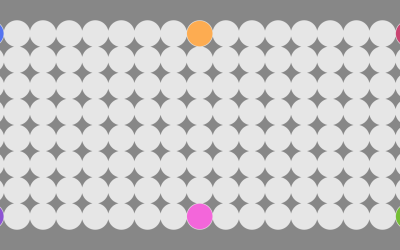
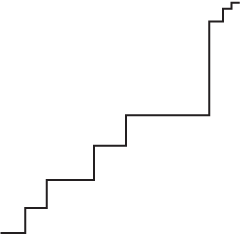
I don’t know. So here’s a calculator to imagine the possibilities. There’s a flat rate, where each tooth gets an equal exchange. There’s also a progressive plan where the exchange rate increases for each tooth.
Whatever the plan the Tooth Fairy follows, they must have some serious capital in the bank. Money for teeth seems expensive.
Chart Type Used
Become a member. Support an independent site. Get extra visualization goodness.
See What You Get