Growing Your Visualization Toolset (and Mine), a FlowingData Membership Update
It’s time to kick the tires on some new tools.
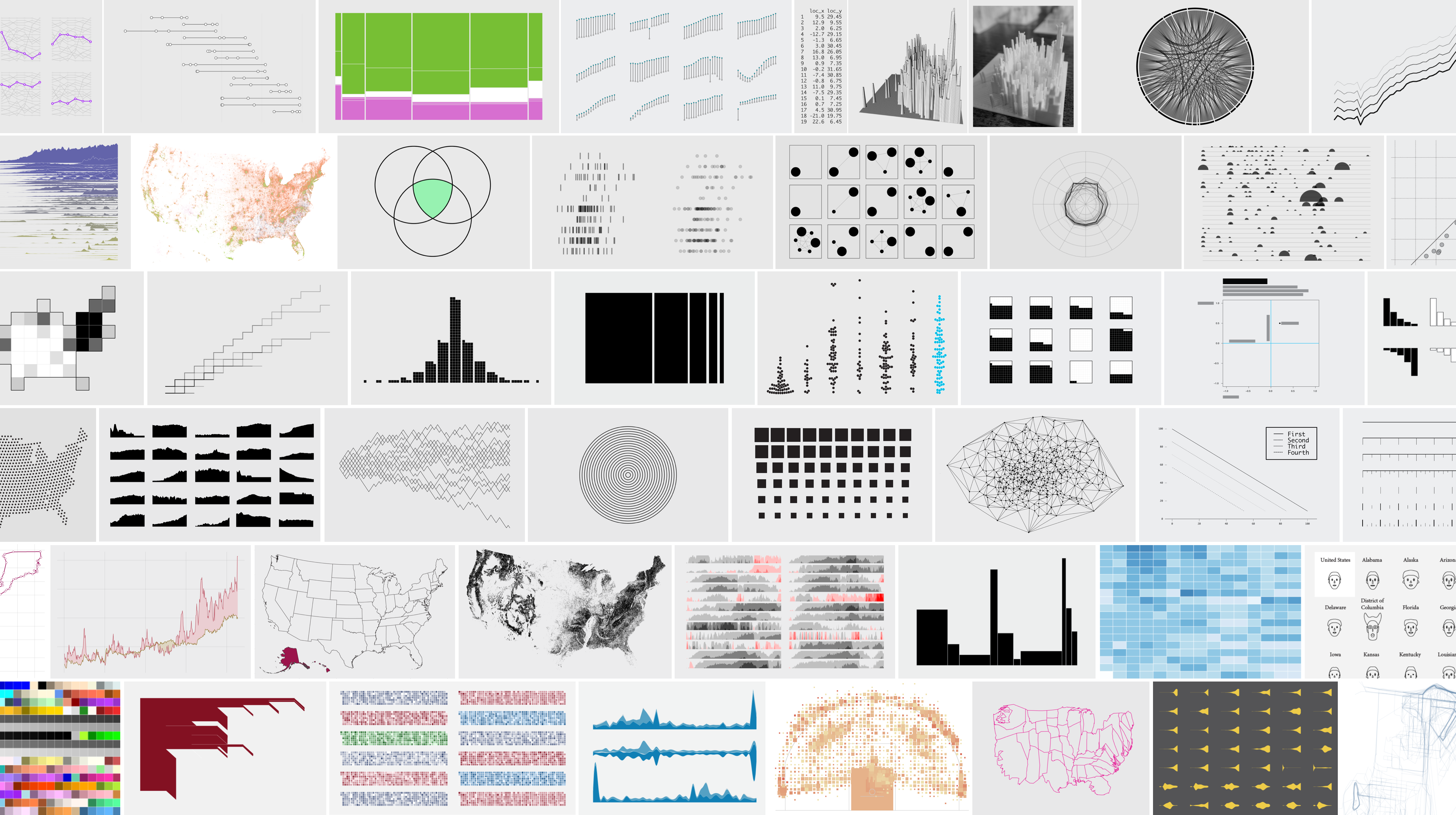
I’ve been running FlowingData Membership for almost eight years now, and one of the main benefits is that you get unlimited access to step-by-step tutorials. They’re based on my experiences analyzing and visualizing data.
This is great, because you get first-hand, practical advice on how to make any chart instead of hand-wavy tips with a semi-usable template.
But it has almost always been from my point of view, using the tools that I’m familiar with. While productive — there are about 120 tutorials that cover a wide variety of methods — I’ve always felt that I could provide more.
When I first introduced memberships, I wrote, “There are different points of view to explore, new software and methods to try, and growing data sources to play with.”
I’ve played with a lot of data, but the first two items could use improvement.
So over the next few weeks, you’ll notice some new voices and software around here. There might be a reptile or a grammar involved. Just saying.
I’m excited to learn from them and I hope you’ll join me.
If you’re already a member, thank you so much for your support. You’ll get instant access as usual when new tutorials are published.
If you’re not a member yet, now is a great time to join.
Become a member. Support an independent site. Get extra visualization goodness.
See What You Get